
Posts by Editor
How Insulation Helps Homes Use Less Heating Oil
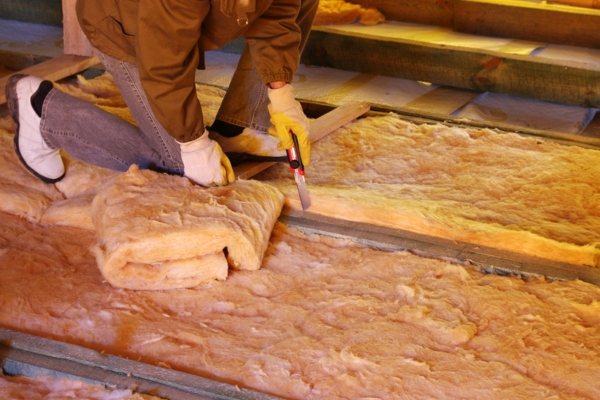
Cold winter temperatures can drive up heating oil use faster than many homeowners expect. Insulation plays a major role in how efficiently a home retains warmth, balances indoor temperatures, and limits unnecessary heat loss. Understanding where insulation matters most can reveal why some homes burn through fuel while others stay comfortable longer.
Read MoreFurnace Blower Keeps Running But No Heat? What It Could Mean

When a furnace blower runs nonstop but fails to deliver heat, it can quickly leave a home uncomfortable and inefficient. This situation often signals an underlying system issue. Understanding what may be happening inside the furnace can help homeowners recognize warning signs before the problem worsens or leads to higher energy bills.
Read MoreHeating Oil Technology: From Traditional Fuel To Smart Solutions
Heating oil has come a long way from its early beginnings. Behind today’s dependable warmth lies a wave of innovation shaping how systems operate, adapt, and perform. From efficiency-focused engineering to emerging smart capabilities, heating oil technology is quietly evolving. Discover how past progress and future advancements are redefining what homeowners can expect.
Read MoreInside Hydronic Heating: Understanding Hot Water Radiators
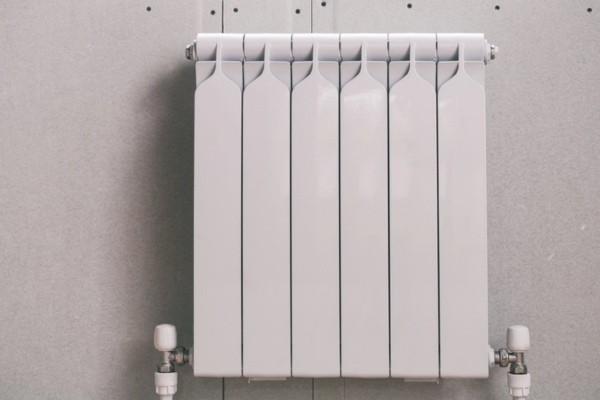
Hot water radiators play a major role in hydronic heating systems, delivering comfortable warmth through efficient heat transfer. This article explores how they operate, the role of heating oil in powering the system, and why many homeowners rely on this method. Readers will gain insight into the science, benefits, and upkeep behind this approach.
Read MoreFurnace Troubleshooting Guide: Cold-Weather Issues Homeowners Face
Winter puts extra pressure on home heating systems, and furnaces are no exception. When temperatures drop, small issues can quickly turn into bigger concerns that affect comfort and efficiency. This article highlights the most common cold-weather furnace problems homeowners face and offers simple steps to identify potential causes before seeking professional assistance.
Read MoreThe Complete Guide to Heating Oil Additives And Their Benefits
Heating oil additives play a vital role in keeping your heating system efficient and protected. These treatments address common issues like sludge buildup to cold-weather gelling, helping your fuel burn cleaner and your equipment last longer. Learn how different types of heating oil additives work and when to use them for optimal performance.
Read MoreHow To Get Your Furnace Ready Before the Cold Hits
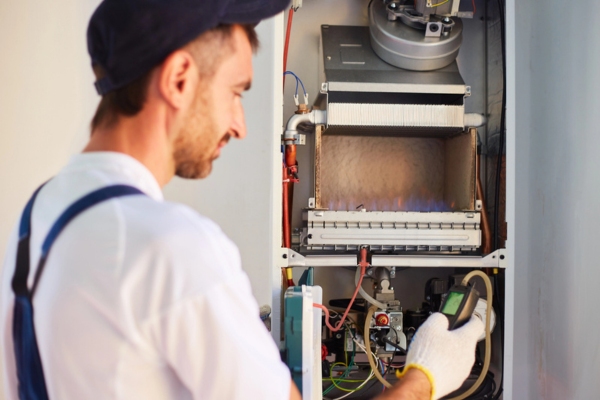
As temperatures drop, a well-prepared furnace becomes vital for keeping your home comfortable and efficient. Regular maintenance not only prevents costly breakdowns but also enhances safety and performance. Learn the essential steps to ready your heating system for winter and discover how simple seasonal care can make a big difference in warmth and reliability.
Read MoreBoilers And Furnaces Explained: Which Heating System Is Best?

When it comes to heating your home, two systems often come to mind: boilers and furnaces. Both are designed to keep you warm, yet they function in very different ways. Understanding how each works can help you determine which is the better fit for your household’s comfort and efficiency needs.
Read MoreWhy Water Contaminates Oil Tanks And How To Prevent It

Water inside an oil tank is more than just an inconvenience; it can compromise fuel quality, corrode the tank, and disrupt heating system performance. There are several ways moisture can infiltrate. Understanding the common causes and consequences helps homeowners take the proper preventive steps to protect their heating systems from costly issues.
Read MoreWhy Did My Furnace Stop Working? Common Reasons Explained

A furnace failure can leave you shivering and searching for answers. From thermostats to ignitors, several components inside your heating system are prone to wear and malfunction. Understanding which furnace parts commonly fail can help you stay ahead of bigger problems and avoid being caught off guard during cold weather.
Read More