
Many homeowners often mix up furnaces with boilers, which is understandable since both are designed to heat a house or building. However, that is where the likeness stops. While their purpose is to provide warmth, the way each system operates sets them apart.
Choosing between the two depends on your home’s heating needs and existing setup. For this reason, it is essential to learn about boiler vs. furnace, how they differ, and what benefits each option brings. County Line Fuel can help you make the right decision for a system that suits your comfort and efficiency goals.
Rely on County Line Fuel for Complete Heating Solutions: Whether you need expert installation or dependable repairs, County Line Fuel keeps your heating system running at its best. Call us today!
Key Distinctions Between Boilers And Forced-Air Furnaces
This article highlights some of the most important differences between these two heating systems.
Understanding Boilers

A boiler is a large, sealed vessel where water or another type of liquid is heated to produce steam or vapor. It serves as the central unit of many heating systems, playing a vital role in producing and distributing heat.
Heating systems that rely on water or liquid are called hydronic or radiator systems. Along with the boiler, the setup includes radiators, baseboards, piping, and a circulator pump. These parts are placed throughout different rooms to ensure heat is delivered evenly. The number of components in a residential boiler system varies, depending on the number of rooms that require heating in the home.
Choose County Line Fuel for Reliable Heating Services: From new system installations to timely repairs, County Line Fuel delivers the care your home comfort deserves. Reach out today!
Understanding Furnaces
A furnace is a type of heating system that generates warmth by using air. Once heated, the air is delivered throughout different areas of the home. This setup is commonly referred to as a “forced-air heating system.”
It works by pulling in cool or room-temperature air and moving it through a heat exchanger, where it becomes warm. The heated air is then carried through HVAC ductwork to reach various rooms.
Furnaces come in three main designs: upflow, downflow, and horizontal. They can be powered by electricity, oil, gas, or induction, depending on the model.
How Do Boilers and Furnaces Differ?
The primary distinction between a boiler and a furnace lies in how each system produces and delivers heat. A boiler generates warmth by heating water in a tank or container. The heated water is then circulated through pipes installed throughout the building. As the pipes heat up, they radiate warmth into the surrounding rooms. A boiler can continue keeping the home comfortable as long as it is producing hot water or steam.
In contrast, a furnace relies on a heat exchanger to warm air instead of water. The heated air is then moved throughout the house with the help of a blower motor. This motor pushes the air into the ductwork and vents, ensuring each room receives consistent heat.
Prepare for Winter with County Line Fuel: Ensure lasting comfort through the cold months with County Line Fuel’s professional heating services. Reach out to us today!
Boiler vs. Furnace: Efficiency Comparison
Heating air requires more energy than heating water. For this reason, furnaces generally use more fuel in a shorter timeframe compared to boilers. When it comes to cost, boilers are usually more expensive upfront, but they often have a longer lifespan than furnaces. However, the actual durability of either system will mainly depend on the quality of care and regular upkeep it receives.
Boiler: Advantages and Drawbacks
Here are some key benefits and downsides of using a boiler system.
Advantages
- Efficiency: Boilers typically require less fuel to generate heat, helping reduce overall energy expenses.
- Quieter Operation: Since boilers do not rely on blowing heated air through ducts, they tend to operate with minimal noise compared to furnaces.
- Even Heating: Hot water or steam provides steadier, more uniform warmth than heated air.
- Better Air Quality: Because boilers do not circulate air, they avoid spreading dust, pollen, and other airborne particles throughout the home.
Disadvantages
- Heating Only: Boilers provide heat but cannot cool a home. While furnaces also do not cool, their ductwork can support a central air conditioning system.
- Complex Installation: Setting up a boiler requires more time and effort compared to a furnace.
- Slower Temperature Response: Boilers take longer to adjust when the thermostat setting changes.
- Leak Risks: Aging or damaged boilers can develop leaks, which may lead to costly water damage.
- Challenging Conversion: Switching from a boiler system to a furnace is a difficult and expensive process, as it often requires installing new ductwork.
Enhance Comfort and Efficiency with County Line Fuel: Improve your home’s heating performance with County Line Fuel. Contact us today to explore our energy-saving heating solutions!
Furnace: Advantages and Limitations
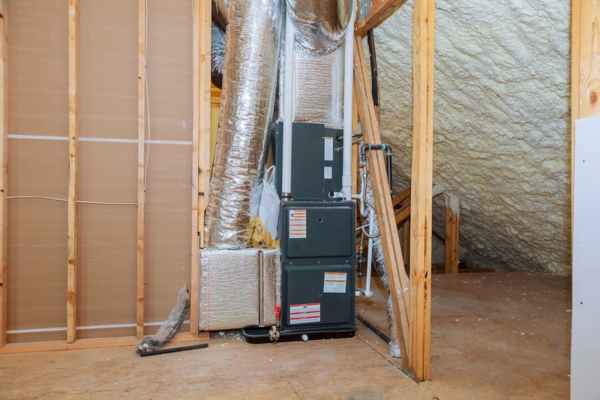
Here are the main benefits of choosing a furnace system.
Advantages
- Versatile Fuel Options: Furnaces can run on electricity, natural gas, heating oil, or propane. Some models may also use solar or geothermal energy, though these are less common.
- Quick Heating: Furnaces produce warm air faster than boilers, allowing a home to reach a comfortable temperature in less time.
- Affordable Options: Because furnaces are widely used, there are many models on the market, which helps keep costs lower.
- Reduced Leak Concerns: If a furnace develops a leak, it typically releases air instead of water, minimizing the chance of significant home damage.
- No Freezing Risk: In cold climates, furnaces eliminate the danger of frozen pipes, which is a concern with water-based boiler systems.
Disadvantages
- Noise Levels: The blower in a furnace creates sound whenever it pushes air through the system, so the unit will make noise each time it operates.
- Uneven Heating: Warm air does not provide the same level of consistent heat as hot water or steam, which can cause some rooms to feel hotter or colder than others.
- Air Quality Concerns: Without regular filter cleaning or replacement, a furnace can lower indoor air quality by circulating dust and other particles.
Stay Cozy with County Line Fuel: Beat the cold with ease. Turn to County Line Fuel for trusted heating services and reliable comfort solutions.
Furnaces And Boilers FAQs

How Frequently Should a Furnace or Boiler Be Serviced?
It is best to have your furnace or boiler inspected once a year, preferably before the start of the heating season. Routine maintenance keeps the system running efficiently, helps extend its operational life, and reduces the risk of sudden malfunctions.
What Are the Warning Signs That My Boiler Requires Attention?
Indicators that your boiler may require repairs include strange sounds such as banging, gurgling, or whistling, visible water leaks near the unit, reduced heating efficiency, or fluctuating water temperatures.
Is It Possible to Improve the Efficiency of My Current Furnace or Boiler?
Yes. You can boost efficiency by scheduling regular maintenance, adding or upgrading insulation in your home, sealing leaks in ductwork or piping, and using a programmable thermostat to better manage heating levels.
Boost Your Home’s Heating Efficiency with County Line Fuel: Get the most out of your system with County Line Fuel’s energy-saving solutions. Contact us today to learn more!
What Factors Should I Keep in Mind When Selecting a New Furnace or Boiler?
When selecting a new furnace or boiler, think about the type of fuel it uses, its energy efficiency rating (high AFUE for furnaces and high AFUE or thermal efficiency for boilers), and whether the unit is properly sized for your home. You should also check for rebates or incentives that may apply to energy-efficient models.
Are There Safety Issues with Furnaces and Boilers That I Should Know About?
Yes. Always have your furnace or boiler installed by a licensed professional and schedule routine inspections. Watch for potential carbon monoxide risks by placing detectors near the units. It is also important to test safety valves and emergency shut-off controls regularly to ensure they are working correctly and to help prevent accidents.
Get Winter-Ready with County Line Fuel: Keep your home comfortable and warm all season long. Reach out to County Line Fuel today for expert heating services!
Conclusion
Deciding between a boiler and a furnace largely depends on your comfort needs and the current setup of your home. If you are upgrading from an older system, today’s boilers and furnaces offer high-efficiency ratings that translate into long-term savings. For homeowners still weighing their options, reaching out to a trusted HVAC contractor is the best way to receive expert guidance and determine the right system for your household.
Keep Comfortable This Winter with County Line Fuel: Rely on County Line Fuel for trusted, efficient heating services that keep your home warm and inviting. Reach out to us today!
Call County Line Fuel for All Your HVAC Needs

County Line Fuel delivers top-quality heating and cooling services throughout Clinton, NJ. Our team consists of highly trained and certified technicians who specialize in HVAC tune-ups, repairs, replacements, and installations. With their expertise and experience, you can count on your system being serviced the right way.
We take pride in offering the area’s most competitive HVAC service rates. Our professional care can boost comfort, improve energy efficiency, and lower your home’s heating and cooling expenses. Should you require a repair or a complete replacement, our experts will help you choose the ideal solution that fits your budget. Every job we perform is backed by our satisfaction guarantee.
Schedule your service appointment with County Line Fuel today. We provide in-home consultations to help you make the best decisions for your HVAC system. Call now!
You can click here to contact us now or call us at (908) 735-7610 to find out more! Click the link to view our service area.
Related Articles: