
Table of Contents
- How Summer Weather Affects Heating Oil Tanks
- The Effects of Summer Heat and Humidity on Fuel Oil Tanks
- Why Daily Temperature Changes Are Important
- The Risks of Ignoring Fuel Oil Tanks During Summer
- Ways Homeowners Can Help Protect Heating Oil Tanks
- FAQs About Heating Oil Tank Corrosion
- Can Rainwater Get Inside an Oil Tank During Summer Storms?
- Why Do Home Heating Oil Tanks Develop Condensation on the Outside During Hot Weather?
- Can High Summer Humidity Damage Fuel Oil Tank Components or Gauges?
- Are Older Heating Oil Tanks More Susceptible to Corrosion?
- How Can Homeowners Recognize Moisture Problems Inside an Oil Tank?
- Conclusion
- Contact County Line Fuel for Reliable Heating Oil and Home Comfort Services
Warm weather may appear to have little effect on a heating oil system. Still, higher temperatures and increased humidity can gradually create conditions that impact fuel quality and the storage tank over time.
At County Line Fuel, we help homeowners protect their heating oil systems through dependable fuel delivery across Clinton, NJ, expert tank installation, and seasonal maintenance services that support long-term reliability and efficient performance.
This article examines how summer heat and humidity can contribute to heating oil tank corrosion, condensation, internal rust, and fuel deterioration. It also explains how moisture enters the tank, why changing temperatures affect stored fuel, and the preventive measures homeowners can take to minimize potential damage during the warmer months.
Keep Your Heating Oil System Safe From Moisture Damage: Trust County Line Fuel for dependable fuel delivery and expert support. Call today!
How Summer Weather Affects Heating Oil Tanks
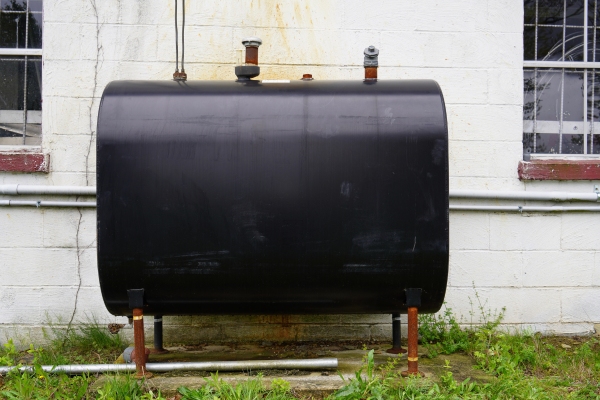
Even though heating systems see little use during the summer, heating oil tanks continue to face environmental exposure that can affect fuel quality and tank condition over time. Warm temperatures, high humidity, and ongoing temperature fluctuations can gradually introduce moisture-related issues that often go undetected until the heating season begins.
Help Protect Your Heating Oil Tank From Condensation: Choose County Line Fuel for reliable heating oil delivery. Contact us today!
The Effects of Summer Heat and Humidity on Fuel Oil Tanks

Hot summer temperatures and elevated humidity can slowly impact heating oil tanks and the fuel they contain. Moisture accumulation, changing temperatures, and longer storage intervals can create conditions that reduce fuel quality and place additional stress on tank components over time.
Condensation May Form Inside the Tank
Hot daytime temperatures followed by cooler evenings create temperature changes that promote condensation inside heating oil tanks. As moist air enters through the tank vent, water collects along the interior surfaces before dripping into the stored fuel. Tanks that are only partially filled face greater risk because the larger air pocket allows more humid air to circulate inside. Even minor water accumulation can eventually contribute to fuel contamination and internal corrosion.
Protect Fuel Quality Before Winter Returns: Schedule service with County Line Fuel today!
Moisture Raises the Risk of Tank Corrosion
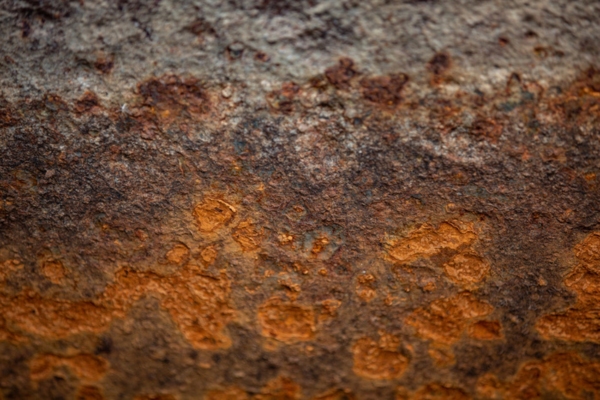
Water that collects inside the tank encourages internal rust and corrosion, especially in steel heating oil tanks. Over time, moisture slowly weakens tank walls, seams, and fittings, increasing the likelihood of leaks and fuel contamination. Internal corrosion often begins long before exterior damage becomes visible, making early problems more difficult to identify, particularly in aging tanks.
High Temperatures Can Accelerate Fuel Deterioration
Extended exposure to high temperatures can gradually reduce the stability of heating oil during prolonged storage. As the fuel continues to age, sediment may begin collecting near the bottom of the tank. These deposits can clog filters, restrict fuel flow, and reduce burner performance once the heating system returns to operation.
Keep Your Heating Oil Tank Performing at Its Best: Rely on County Line Fuel for dependable fuel solutions. Call today!
Moisture Can Promote Microbial Contamination
Moisture that collects inside the tank can create an environment where bacteria and other microorganisms grow at the point where water and fuel meet. As this contamination spreads, it may produce sludge deposits that clog filters, reduce heating efficiency, generate unpleasant odors, and accelerate wear on fuel system components.
Why Daily Temperature Changes Are Important
Heating oil tanks naturally expand in warmer daytime temperatures and contract as conditions cool overnight. Repeated expansion and contraction over time can place added stress on older tanks, seals, fittings, and connectors, increasing the potential for wear and small leaks.
Tanks that remain partially filled are more susceptible because the larger air space allows additional humid air to circulate, raising the chance of condensation inside the tank. Outdoor heating oil tanks also face direct sunlight, rainfall, humidity, and frequent temperature swings throughout the summer, which can speed up exterior wear and increase the likelihood of moisture-related issues over time.
Maintain Reliable Heating System Performance: Count on County Line Fuel for dependable heating oil delivery and service. Contact us today!
The Risks of Ignoring Fuel Oil Tanks During Summer
Heating oil tank issues often develop slowly throughout the warmer months, making them difficult to detect. Moisture accumulation, sediment deposits, and microbial growth can continue inside the tank for extended periods without producing noticeable warning signs.
Many homeowners first find out about these problems only after restarting their heating system when colder weather returns. By then, contaminated fuel may already be clogging filters, nozzles, and fuel lines, reducing system efficiency while increasing the likelihood of burner malfunctions or unexpected service interruptions.
Extended exposure to moisture can also shorten the lifespan of a heating oil tank by allowing corrosion to spread beneath the interior surface. As rust progresses, tank walls, seams, and fittings may lose strength, increasing the likelihood of leaks. What begins as minor internal deterioration can eventually lead to fuel loss, environmental concerns, and premature tank replacement. Addressing maintenance early helps prevent small problems from developing into more extensive repairs before colder weather arrives.
Ways Homeowners Can Help Protect Heating Oil Tanks
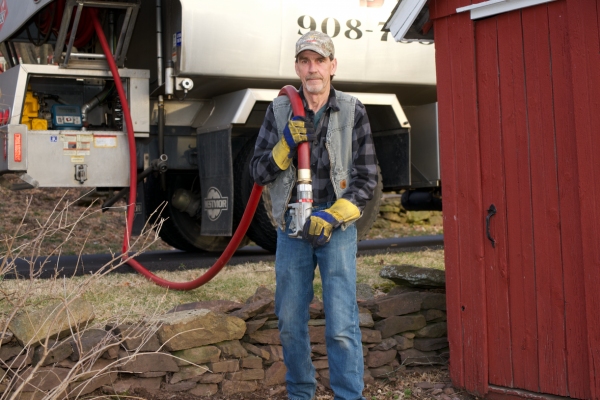
Simple maintenance during the summer can help safeguard heating oil tanks against moisture damage, fuel contamination, and premature wear. Consistent inspections and seasonal care often lower the risk of costly repairs when colder weather returns.
- Maintain an Adequate Fuel Level: Keeping sufficient heating oil in the tank during summer reduces the amount of open air space inside, helping limit condensation and excess moisture.
- Arrange Regular Tank Inspections: Professional inspections can detect corrosion, loose fittings, moisture intrusion, and other early warning signs before they develop into more significant issues.
- Check the Exterior for Visible Wear: Homeowners should regularly inspect the tank for rust, chipped paint, damp areas, shifting supports, or evidence of water collecting around the base.
- Use Fuel Additives if Recommended: Approved fuel additives can help preserve heating oil during extended storage and minimize moisture-related fuel problems when advised by a qualified technician.
- Limit Exposure Around Outdoor Tanks: Providing shade for outdoor tanks whenever practical and maintaining proper drainage nearby can help reduce prolonged heat exposure and excess moisture around the tank.
Protect Your Heating Oil Tank From Corrosion: Count on County Line Fuel for dependable heating oil service. Contact us today!
FAQs About Heating Oil Tank Corrosion

Can Rainwater Get Inside an Oil Tank During Summer Storms?
Yes. Rainwater can enter a heating oil tank if the fill cap, vent cap, or tank seals are worn, damaged, loose, or improperly secured. Heavy rainfall and humid summer conditions can increase moisture exposure around outdoor tanks. Even a small amount of water entering the tank may gradually contribute to corrosion, fuel degradation, and contamination over time.
Why Do Home Heating Oil Tanks Develop Condensation on the Outside During Hot Weather?
Heating oil tanks can develop exterior condensation when warm, moisture-filled air comes into contact with a cooler tank surface. The process is similar to water droplets forming on a chilled beverage during humid conditions. If this moisture remains on the tank for long periods, it can increase the likelihood of exterior rust and gradual surface corrosion.
Can High Summer Humidity Damage Fuel Oil Tank Components or Gauges?
Yes. Prolonged exposure to humidity and moisture can gradually promote corrosion on gauges, valves, fittings, and fuel lines, particularly in older heating oil systems and outdoor tanks. As corrosion progresses, it may reduce component reliability, increase the risk of leaks, and make inspections or routine maintenance more challenging.
Safeguard Your Heating Oil Tank and Fuel Supply: Contact County Line Fuel for reliable delivery and maintenance support today!
Are Older Heating Oil Tanks More Susceptible to Corrosion?
Yes. Older heating oil tanks are generally more susceptible to corrosion after years of exposure to moisture, changing temperatures, and natural material wear. Protective coatings can deteriorate over time, allowing rust to develop more easily when condensation or water accumulates. Aging tanks may also have thinning metal, weakened seams, or hidden corrosion that increases the risk of leaks, fuel contamination, and structural damage.
How Can Homeowners Recognize Moisture Problems Inside an Oil Tank?
Common warning signs include unusual burner odors, reduced heating performance, darkened fuel filters, inconsistent system operation, or visible rust around seams and fittings. Since some moisture-related issues develop without noticeable symptoms, routine professional inspections remain important for protecting the tank over the long term.
Conclusion
Summer heat and humidity can gradually lead to condensation, internal corrosion, and fuel deterioration inside heating oil tanks, especially those that are older or only partially filled. Ongoing temperature changes and excess moisture increase the likelihood of contamination, structural deterioration, and reduced heating system performance over time. Routine inspections, seasonal maintenance, and preventative care help preserve fuel quality and promote long-term system reliability.
Help prevent minor summer issues from becoming expensive winter repairs by contacting County Line Fuel for dependable heating oil tank support and professional service throughout Clinton, NJ.
Protect Your Heating Oil Tank Year-Round: Trust County Line Fuel for reliable fuel delivery and expert service. Call today!
Contact County Line Fuel for Reliable Heating Oil and Home Comfort Services

Homeowners and businesses rely on County Line Fuel for dependable heating oil delivery throughout Clinton, NJ that helps maintain reliable indoor comfort during the heating season. We provide quality fuel, responsive service, and clear communication to make managing your heating needs simple and dependable.
Our team offers flexible delivery options and convenient payment plans designed to fit a variety of household needs, making it easier to maintain a dependable fuel supply with less hassle. Every delivery is completed with a strong focus on safety, efficiency, and customer satisfaction.
In addition to heating oil delivery, County Line Fuel provides professional HVAC services that help keep your home comfort equipment operating efficiently throughout the year. Whether you need a new installation, preventative maintenance, or system repairs, our experienced technicians deliver reliable solutions that promote lasting performance.
At County Line Fuel, we are dedicated to dependable service, skilled workmanship, and customer-focused support. Contact us today to learn more about our heating oil delivery options and complete home comfort services.
You can click here to contact us now or call us at (908) 735-7610 to find out more! Click the link to view our service area.
Related Articles: