
Fuel & HVAC Articles

Is It Time To Replace Your Air Conditioner? Watch Out For These Signs
As temperatures rise, your home’s comfort relies on a well-functioning air conditioner. However, like all appliances, air conditioners wear down over time, signaling the need for maintenance or even replacement. Look out for signs that it’s time to replace your air conditioner. Early detection can save you from discomfort and costly repairs.

What You Need To Know About A Double-Wall Heating Oil Tank
Many homes in the eastern U.S. use heating oil for warmth, stored in tanks on the premises. When it’s time to upgrade, a double-wall heating oil tank offers significant benefits. It features an inner tank enclosed by an outer tank for extra leak protection. Learn about its design and why it’s a smart choice.

Is Your Air Conditioner Overcharged? Key Symptoms to Watch For
Too much refrigerant in an air conditioner can lead to numerous problems, from rising energy costs to potential compressor damage. There are key indicators you can watch out for if your home’s cooling system is overcharged. Identifying and addressing these issues promptly with professional help is essential to maintaining your system’s efficiency and longevity.
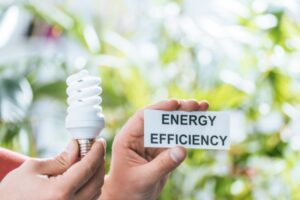
Energy-Saving Tips For A Sustainable And Comfortable Spring & Summer
Discover practical tips to save energy and reduce utility costs this spring and summer. From optimizing your HVAC system to enhancing natural ventilation and switching to energy-saving lights, these strategies will help you stay comfortable while promoting environmental sustainability and economic benefits. Explore these easy changes for a more efficient home.
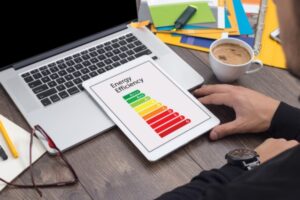
SEER Rating 101: Understanding the Efficiency of Your Air Conditioner
Unlock the secrets behind SEER ratings and revolutionize your home cooling experience. Discover how they impact energy efficiency and utility bills, demystifying the complexities of HVAC systems. From understanding its significance to identifying the optimal rating for your space, this article provides invaluable insights to enhance comfort and savings in your home.
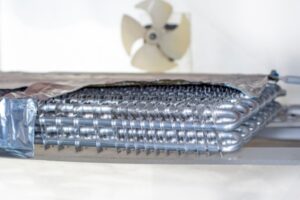
Beat The Heat: 7 Simple Steps To Deal With A Frozen AC Coil
As summer intensifies, malfunctioning ACs become a headache for homeowners. Frozen evaporator coils are a common culprit, disrupting airflow and hampering cooling efficiency. Recognizing the signs and taking immediate steps is crucial. While some DIY methods exist, professional HVAC assistance ensures thorough maintenance, preventing further damage and ensuring comfort during scorching temperatures.

6 Key Advantages Of Regular Air Conditioner Tune-Ups
Prepare for summer’s heat by ensuring your air conditioner is in top shape. Regular tune-ups offer multiple benefits: lower cooling costs, improved comfort, fewer breakdowns, reduced repair expenses, prolonged lifespan, and enhanced indoor air quality. Neglecting maintenance leads to inefficiency and costly repairs. Schedule your annual tune-up now to stay cool and save money.
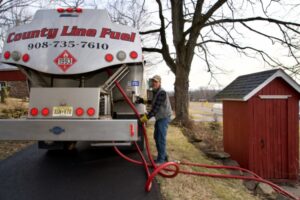
Home Heating Oil: Top Tips For Summer
Summer provides an optimal opportunity for proactive heating system upkeep. Utilizing this period of boiler inactivity and extended daylight, homeowners can thoroughly evaluate and enhance their heating setups, ensuring optimal performance when the colder months arrive. This proactive approach not only guarantees warmth and comfort but also potential cost savings in the long run.
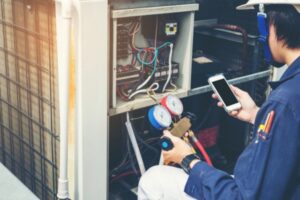
How Does An Air Conditioner Tune-Up Save Me Money?
Regular air conditioner tune-ups are crucial for saving money. With temperatures rising, AC units are essential. Maintaining them avoids costly repairs and high energy bills, ensures they run efficiently, and prolongs their lifespan. Proactive maintenance prevents emergencies, providing peace of mind. Schedule a regular tune-up to enjoy savings and comfort.

Unveiling Oil Tank Condensation: Essential Insights for Homeowners
Oil tank condensation is a common concern for homeowners that rely on oil heating systems. Water infiltration can lead to issues like corrosion and system inefficiency. Regular inspections and proactive measures are essential for prevention. Professional assistance ensures effective water removal and safeguards against potential damages to your heating system.