
If you notice your AC blowing weak, your home may take longer to cool, causing the system to work harder to reach the set temperature. Restricted airflow, worn components, or other HVAC problems are common causes, and addressing them early can help maintain efficiency and reduce unnecessary system wear. Identifying the underlying issue first will determine whether a simple repair or professional HVAC service is the right solution.
This article covers the issues that commonly lead to poor AC airflow, how to perform a few basic checks to narrow down the cause, and the situations where an HVAC technician should inspect and repair the system to restore proper cooling performance.
What Causes Weak AC Airflow?

Weak AC airflow happens when your air conditioning system cannot move enough cooled air through the ductwork and vents to maintain comfortable indoor temperatures. As airflow declines, rooms may take longer to cool, temperatures can become uneven, and less air may come from the supply vents. If the problem is ignored, it can reduce system efficiency, increase energy costs, and place extra stress on HVAC components.
Here are some of the most frequent reasons your AC may have weak airflow:
Dirty or Clogged HVAC Air Filters
Air filters gradually collect dust, pet dander, and other airborne debris, restricting airflow into the system and reducing cooling performance. Replacing or cleaning the filter at recommended intervals helps maintain proper airflow and keeps your AC operating efficiently.
Blocked or Leaking Air Ducts
Obstructions, damaged sections, or disconnected ductwork can limit the amount of conditioned air reaching your living spaces. Air leaks within the duct system also reduce airflow by allowing cooled air to escape before it reaches the vents. Routine duct inspections and maintenance help restore proper airflow and improve overall system performance.
Failing Air Conditioner Fans
The blower and condenser fans are responsible for moving air through your HVAC system. If either fan is damaged or stops working because of wear, electrical problems, or debris, airflow can be significantly reduced. Routine maintenance and timely repairs help prevent fan-related issues and keep your cooling system operating efficiently.
Refrigerant Leaks
While refrigerant leaks do not directly reduce airflow, they lower your AC system’s cooling capacity, making the airflow feel weaker because the air is not cooled effectively. Professional leak detection and repair are necessary to restore proper cooling performance and overall system efficiency.
Dirty Evaporator or Condenser Coils
Dust and grime can build up on the evaporator and condenser coils, reducing the system’s ability to cool air efficiently. As cooling performance declines, the airflow may feel weaker. Routine coil cleaning helps maintain efficient operation and consistent indoor comfort.
Incorrectly Sized AC System
An undersized AC unit may struggle to deliver enough airflow and cooling for your home, while an oversized system can short-cycle, reducing efficiency and airflow. Proper system sizing and professional installation are essential for reliable airflow and effective cooling.
Why Weak AC Airflow Should Be Addressed Quickly
Weak airflow is often an early indication that your air conditioning system is not operating properly. Ignoring the issue can place additional strain on key components, reduce cooling efficiency, and shorten the system’s lifespan. As performance declines, the AC may run longer to maintain the desired temperature, increasing energy costs and the likelihood of unexpected repairs.
Addressing airflow problems early helps restore consistent comfort, improve energy efficiency, and prevent minor issues from developing into more costly HVAC repairs.
Basic Checks for Weak AC Airflow

Before arranging professional service, you can perform a few simple checks to see if a minor issue is affecting airflow. These steps may resolve basic problems, but if weak airflow continues, your HVAC system should be inspected by a qualified technician.
1. Inspect the Air Filter
Check your HVAC air filter every 1 to 3 months for dust and debris that could be restricting airflow. If little or no light passes through the filter, it should be replaced or cleaned. Install a new filter with the correct size and rating, or clean a reusable filter according to the manufacturer’s instructions.
2. Check Supply Vents and Registers
Make sure supply vents and registers are not blocked by furniture, curtains, or other objects that can restrict airflow. Clean the vent covers regularly to remove dust and debris, as buildup can reduce air circulation and overall system performance.
3. Verify Thermostat Settings
Confirm that your thermostat is set to “Cool” and the fan is set to “Auto” or “On.” Incorrect thermostat settings can make it seem like your AC has weak airflow when the system is simply not operating in the proper cooling mode.
When to Contact a Professional HVAC Company in NJ
If basic troubleshooting does not restore proper airflow, it’s time to contact a professional HVAC company. Problems such as damaged ductwork, failing components, or refrigerant leaks require specialized equipment and technical expertise to diagnose and repair safely.
County Line Fuel provides comprehensive HVAC diagnostics and repair services to resolve even the most complex airflow issues. Our experienced technicians use advanced tools to identify the underlying cause and restore your air conditioning system to peak performance. You can rely on County Line Fuel for accurate repairs that improve comfort, efficiency, and long-term system reliability.
What Happens During a Professional AC Airflow Inspection
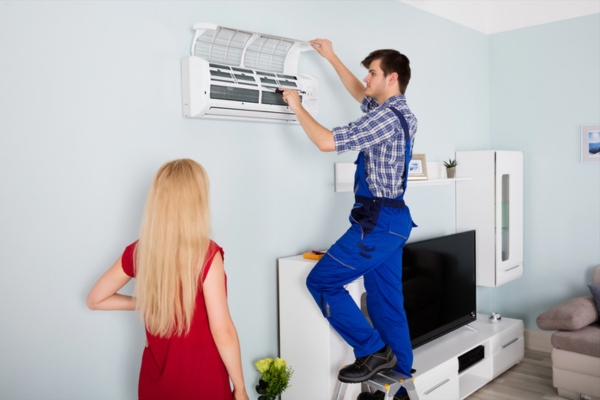
A professional airflow inspection is designed to identify the underlying cause of restricted airflow and poor cooling performance. Using specialized diagnostic equipment, HVAC technicians evaluate the entire system to detect issues that may not be visible during a basic inspection.
- Airflow and Performance Testing: Technicians measure airflow at the supply and return vents, check static pressure, and assess overall system performance to identify airflow restrictions.
- Inspection of Key Components: Critical parts, including the air filter, blower motor, evaporator coil, and fan assembly, are examined for dirt, damage, wear, or mechanical problems that may reduce airflow and cooling efficiency.
- Ductwork Assessment: The duct system is inspected for leaks, disconnected sections, crushed ducts, and blockages that can prevent conditioned air from reaching your living spaces.
- Recommended Repairs: After the inspection, the technician explains the findings and recommends the repairs or maintenance needed to restore proper airflow, improve energy efficiency, and maximize system performance.
FAQs About AC Blowing Weak

Does Closing Air Vents Affect AC Airflow?
Yes. Shutting too many supply vents can increase pressure inside the ductwork, restricting airflow and placing extra stress on the blower motor. Keeping most vents open helps your HVAC system maintain balanced airflow and operate more efficiently.
What Causes Weak Airflow in Just One Room?
Poor airflow in a single room can be caused by blocked or damaged ductwork, a closed damper, leaking ducts, or an improperly designed HVAC system. A professional inspection can pinpoint the cause and recommend the appropriate repair.
Can High Indoor Humidity Make Air Conditioning Airflow Feel Weak?
Yes. High indoor humidity can make your home feel warmer and less comfortable even when airflow is normal. If your air conditioner is not removing enough moisture, the air may seem weaker because it is not cooling the space effectively.
Can an Older Cooling System Reduce Airflow?
Yes. As an air conditioner ages, components such as the blower motor, fan assembly, and duct connections can deteriorate, reducing airflow and overall efficiency. Routine professional maintenance becomes increasingly important to keep older systems operating effectively.
How Frequently Should Air Ducts Be Inspected?
HVAC professionals generally recommend a ductwork inspection every three to five years, or sooner if you notice ongoing airflow issues, excessive dust, unusual odors, or rising energy bills. Regular inspections help identify leaks, blockages, and other problems before they lead to more extensive repairs.
Conclusion
Resolving weak AC airflow early helps restore consistent indoor comfort, improve energy efficiency, and reduce the risk of more costly HVAC problems. When the issue requires professional attention, County Line Fuel provides the experience, advanced diagnostic tools, and expert repairs needed to identify the cause and restore reliable cooling performance.
Contact County Line Fuel for Professional HVAC Services

Homeowners throughout Clinton, NJ rely on County Line Fuel for dependable heating and cooling services that keep their HVAC systems operating efficiently year-round. Our experienced technicians provide comprehensive HVAC solutions, including routine maintenance, repairs, new installations, and complete system replacements. Every service is performed with careful attention to quality, accuracy, and long-term system performance.
At County Line Fuel, we focus on practical, cost-effective solutions that improve comfort while helping reduce energy costs. Preventative maintenance supports reliable operation and extends equipment life, while our repair and replacement services are tailored to your home’s needs and budget.
Contact County Line Fuel today to schedule your service appointment or request a complimentary in-home estimate.
You can click here to contact us now or call us at (908) 735-7610 to find out more! Click the link to view our service area.
Related Articles: